Mastering Data Management: Python, SQLite, and SQLAlchemy Combined
Introduction: Why Data Management Matters
In modern software development, effective data management is the backbone of reliable applications. Whether you're building a small tool or a large-scale system, the ability to store, retrieve, and manipulate data efficiently is crucial. This article explores how three powerful tools—Python, SQLite, and SQLAlchemy—come together to create a robust data management solution. By understanding their synergy, you can design programs that handle persistent data with ease, from simple scripts to complex web applications.
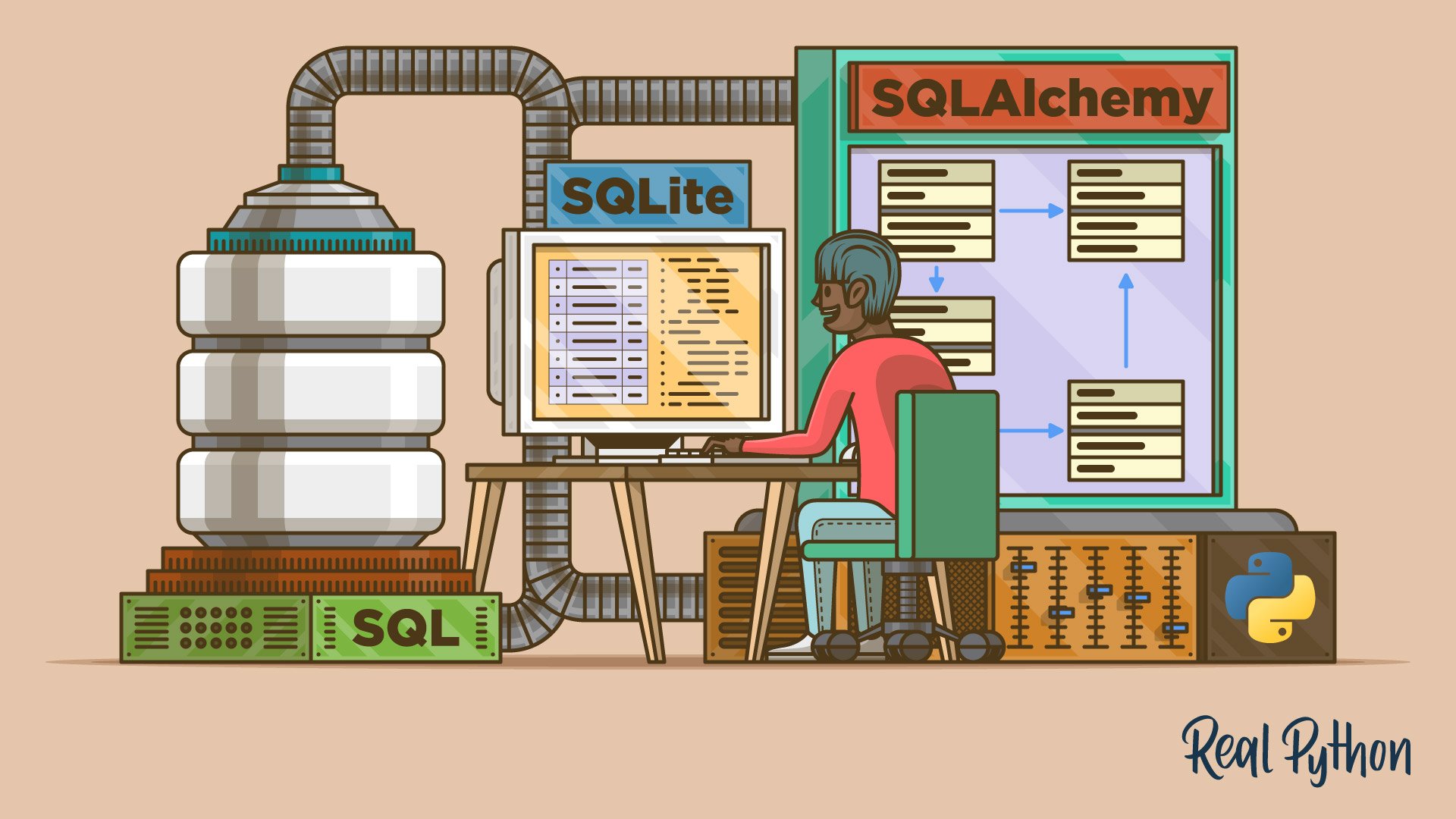
The Trio: Python, SQLite, and SQLAlchemy
Each component plays a distinct role. Python provides the programming language and ecosystem, SQLite offers a lightweight, file-based database engine, and SQLAlchemy acts as the bridge between Python objects and relational database tables. Together, they enable you to work with structured data without the overhead of a full database server.
Why SQLite?
SQLite is an embedded, zero-configuration database engine that stores data in a single file. Its simplicity and reliability make it ideal for applications that need local persistence without the complexity of client-server databases. With SQLite, you can create, query, and manage databases using standard SQL, all from within your Python code. It's particularly well-suited for prototypes, desktop applications, and mobile apps where the database is small to medium-sized.
The Role of SQLAlchemy
SQLAlchemy is a Python SQL toolkit and Object-Relational Mapping (ORM) library. It abstracts the differences between database backends, allowing you to write database-agnostic code. More importantly, its ORM lets you map Python classes to database tables, so you can work with data as familiar objects rather than raw SQL rows. This reduces boilerplate and improves code maintainability. SQLAlchemy handles the translation between Python objects and SQL statements, freeing you to focus on business logic.
Core Database Concepts in Practice
To effectively manage data, you need a grasp of fundamental relational database concepts. Let's examine how they apply when using Python, SQLite, and SQLAlchemy together.
Primary and Foreign Keys
Primary keys uniquely identify each row in a table. In SQLAlchemy, you define a primary key by marking a column with primary_key=True. Foreign keys create relationships between tables, ensuring referential integrity. For example, an Orders table might reference a Customers table via a customer_id foreign key. SQLAlchemy makes it easy to set up these relationships using the ForeignKey construct and then navigate them via Python attributes, such as order.customer.
SQL Operations
Even with an ORM, understanding SQL is valuable. SQLAlchemy lets you execute raw SQL statements when needed, but its ORM provides a higher-level interface for common operations:
- Create: Insert new records into tables using Python objects and sessions.
- Read: Query data using filters, sorting, and joins with the ORM's expressive API.
- Update: Modify existing objects and commit changes.
- Delete: Remove records while respecting foreign key constraints.
By combining these operations, you can build complex data workflows with minimal code.
Working with Data as Python Objects (SQLAlchemy Models)
The heart of SQLAlchemy's ORM is the model—a Python class that maps to a database table. Each attribute of the class corresponds to a column. For instance:
from sqlalchemy import Column, Integer, String, ForeignKey
from sqlalchemy.orm import declarative_base, relationship

Base = declarative_base()

class User(Base):
    __tablename__ = 'users'
    id = Column(Integer, primary_key=True)
    name = Column(String)
    email = Column(String, unique=True)
    posts = relationship("Post", back_populates="author")

class Post(Base):
    __tablename__ = 'posts'
    id = Column(Integer, primary_key=True)
    title = Column(String)
    content = Column(String)
    user_id = Column(Integer, ForeignKey('users.id'))
    author = relationship("User", back_populates="posts")
This pattern allows you to query data naturally: user.posts returns all posts by that user, and post.author returns the associated user. SQLAlchemy handles the SQL joins behind the scenes.
Beyond basic models, you can define constraints, indexes, and complex relationships. The ORM also supports lazy and eager loading to optimize performance. By mastering these features, you unlock the full potential of data management with Python.
Conclusion: Empowering Your Python Applications
The combination of Python, SQLite, and SQLAlchemy provides a powerful and accessible stack for data management. You gain the flexibility of Python scripting, the simplicity of SQLite's file-based storage, and the elegance of SQLAlchemy's ORM. Whether you're building a personal project or a professional application, this trio equips you with reliable, scalable data storage. To deepen your understanding, revisit the original tutorial Data Management With Python, SQLite, and SQLAlchemy and practice by creating your own database models.
Related Articles
- Why OpenAI’s 131,000-GPU Network Defies Conventional Wisdom: Three Bold Choices
- How to Evaluate AI-Generated Content: Lessons from a CEO's Commencement Speech
- 10 Critical Ways Data Normalization Impacts Your Machine Learning Performance
- Google Launches TurboQuant: New KV Compression Suite to Supercharge LLM Inference
- How to Leverage Amazon Quick’s New AI Assistant Features for Seamless Workflow Integration
- GTA 6 on PC: The Deliberate Strategy Behind the Console-First Launch
- 5 Pillars of Successful Design Leadership: Balancing Manager and Lead Roles
- How to Earn Google’s New AI Professional Certificate for Free (U.S. Small Business Guide)