Qualcomm XPAN Wi-Fi Audio: What’s Next for Wireless Sound?
After a quiet year for Wi-Fi audio, Qualcomm has finally broken its silence on the future of XPAN technology. Originally launched as a high-fidelity alternative to Bluetooth, XPAN uses Wi-Fi to transmit audio with greater range and stability. But with no major products since early 2023, many wondered if the tech had stalled. In a recent media briefing, Qualcomm confirmed that new XPAN-enabled devices and updated versions of the platform are coming. Here’s everything you need to know.
What Exactly Is Qualcomm XPAN?
XPAN stands for eXtended Personal Area Network. Unlike traditional Bluetooth audio, which operates over short distances and can suffer from interference, XPAN leverages your existing Wi-Fi network to stream audio. This allows for longer range (often covering an entire home) and more stable connectivity. The technology works seamlessly with Qualcomm’s Snapdragon Sound platform, supporting high-resolution audio and low latency. It’s designed for headphones, earbuds, and speakers, giving users the freedom to move around without dropouts. Think of it as the best of both worlds: the convenience of wireless audio with the reliability of a home network.
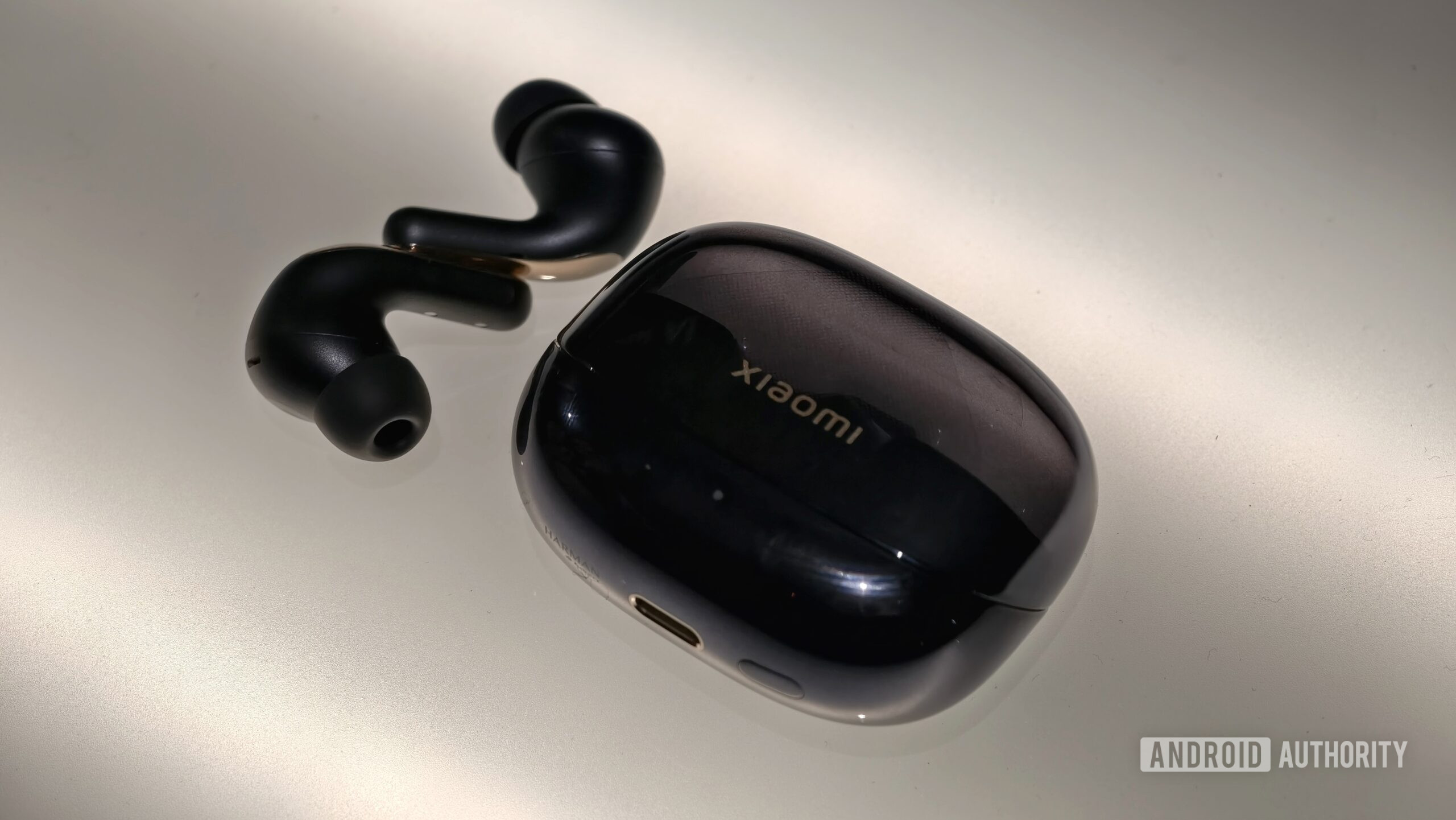
Why Haven’t We Seen New XPAN Products in Over a Year?
The last major XPAN-enabled product came from a well-known manufacturer in early 2023. Since then, the market went quiet. Several factors contributed: the complexity of integrating Wi-Fi audio into consumer devices, the need for compatible routers, and a slower-than-expected adoption ecosystem. Manufacturers were cautious, waiting for more robust support from Qualcomm. Additionally, Bluetooth continued to improve with versions like LE Audio, reducing the urgency for a new standard. However, industry insiders now suggest that many brands were holding off for a next-generation XPAN version that solves earlier integration hurdles.
What Did Qualcomm Say About Future XPAN Products?
During a media briefing, Qualcomm representative Shamly N.V. directly addressed the drought. When asked whether more XPAN-enabled products are coming in 2026 and beyond, the answer was a clear yes. Qualcomm confirmed that new XPAN-enabled products are currently in development by multiple manufacturers. Additionally, the company is working on updated versions of the XPAN platform itself. While no specific launch dates were given, the message is strong: XPAN is not abandoned. Qualcomm remains committed to Wi-Fi audio as a premium alternative, especially for multi-room setups and home theaters.
When Can We Expect New XPAN Devices to Arrive?
Qualcomm hasn’t announced a precise timeline, but the industry expects a wave of announcements in late 2025 or early 2026. The company is likely aligning new XPAN hardware with its upcoming flagship Snapdragon chipsets. Past patterns show that once Qualcomm confirms development, partner products typically follow within 12 to 18 months. Given that the briefing hinted at “2026 and beyond,” consumers should look for first-generation XPAN devices—possibly from major audio brands—sometime in the next two years. Wearables, true wireless earbuds, and smart speakers are the most likely form factors.
How Does XPAN Improve Over Bluetooth?
XPAN offers three key advantages. Range: While Bluetooth maxes out at about 30 feet (10 meters), XPAN can cover your entire home via Wi-Fi—think 100+ feet without signal loss. Stability: Wi-Fi is less prone to interference from walls, microwaves, or crowded wireless environments, meaning fewer dropouts. Audio quality: XPAN supports higher bitrates, enabling lossless high-resolution audio streaming (up to 24-bit/96kHz). For multi-room audio, XPAN synchronizes multiple speakers effortlessly, something Bluetooth struggles with. The catch? It requires a compatible Qualcomm chipset and a Wi-Fi network, but for audiophiles and smart home users, the trade-off is worthwhile.
What Challenges Does XPAN Still Face?
Despite its promise, XPAN isn’t without hurdles. The biggest is ecosystem fragmentation: not all routers or phones support the necessary Wi-Fi modes, and some early implementations had latency issues. Power consumption is another concern—Wi-Fi typically drains batteries faster than Bluetooth LE. Additionally, device integration is more complex; manufacturers need to certify their products with Qualcomm, which adds time and cost. The market also faces competition from emerging technologies like Wi-Fi 7 and LE Audio. To succeed, Qualcomm must make XPAN plug-and-play, with backward compatibility and better battery optimization.
Which Manufacturers Are Likely to Adopt XPAN?
While Qualcomm didn’t name names, historical partners include Audio-Technica, Sennheiser, and Edifier. Given the niche nature of Wi-Fi audio, early adopters will likely be premium audio brands targeting audiophiles and smart home enthusiasts. Expect companies that already use Qualcomm’s Snapdragon Sound—like Bose and Sony—to potentially add XPAN to their high-end headphones and speakers. Smart speaker makers (e.g., JBL, Sonos) may also jump in for multi-room audio. The key will be making XPAN a standard feature in their next-generation wireless audio lineups.
Related Articles
- Galaxy Ring 2 Pushed to 2027: Samsung Targets 10-Day Battery in Major Overhaul
- Lion vs Tiger: New Research Reveals Surprising Genetic and Behavioral Differences
- The Limits of Economic Warfare: How the Iran Conflict Reveals Waning US Sanctions Power
- Apple and Porsche Revive 80s Racing Aesthetics for Laguna Seca Anniversary Event
- How to Protect Your Location Data: Lessons from the FTC vs. Kochava Settlement
- Exclusive: 'Smaug the Magnificent' Dominates Magic: The Gathering Reveal with Game-Breaking D&D Combo
- 5 Pitfalls of AI-Driven Feature Creep for Software Product Managers
- Turn Your Dusty Old Android Into a Free Wi-Fi Extender – Here’s How