Huawei's HarmonyOS Surpasses 55 Million Devices: A Rising Force in the Open-Source Mobile OS Landscape
A Rapid Growth Trajectory
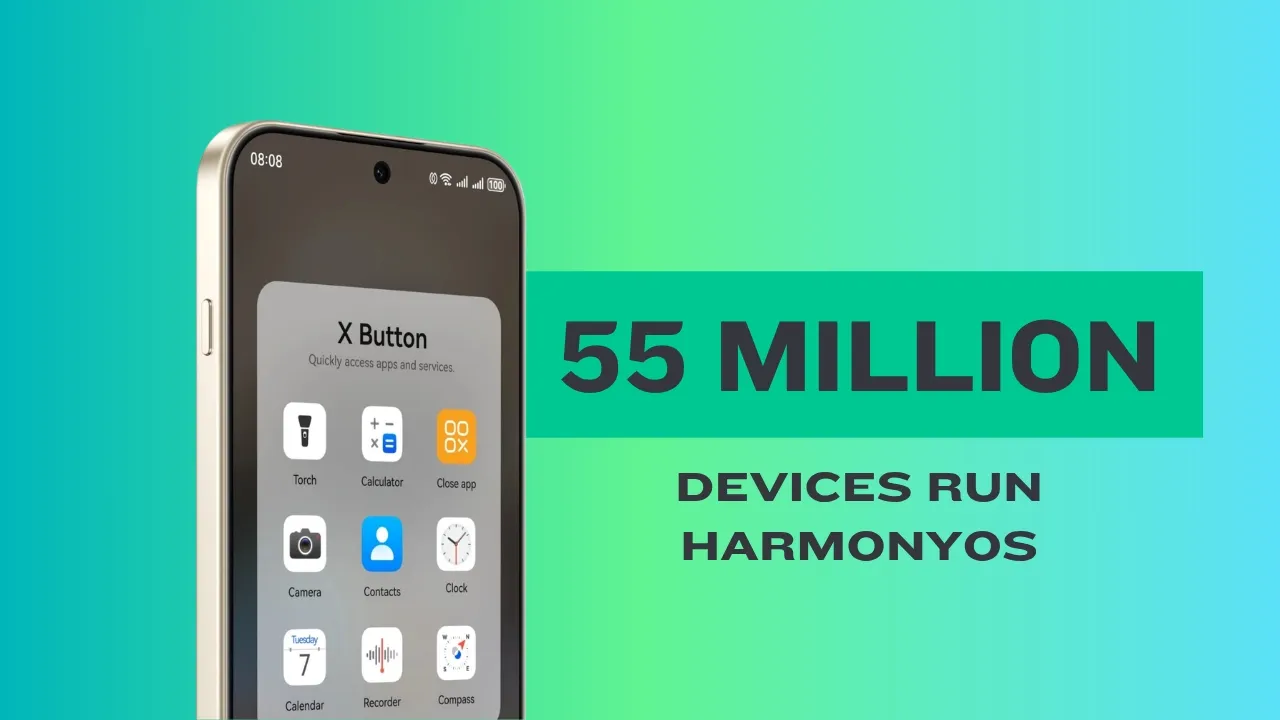
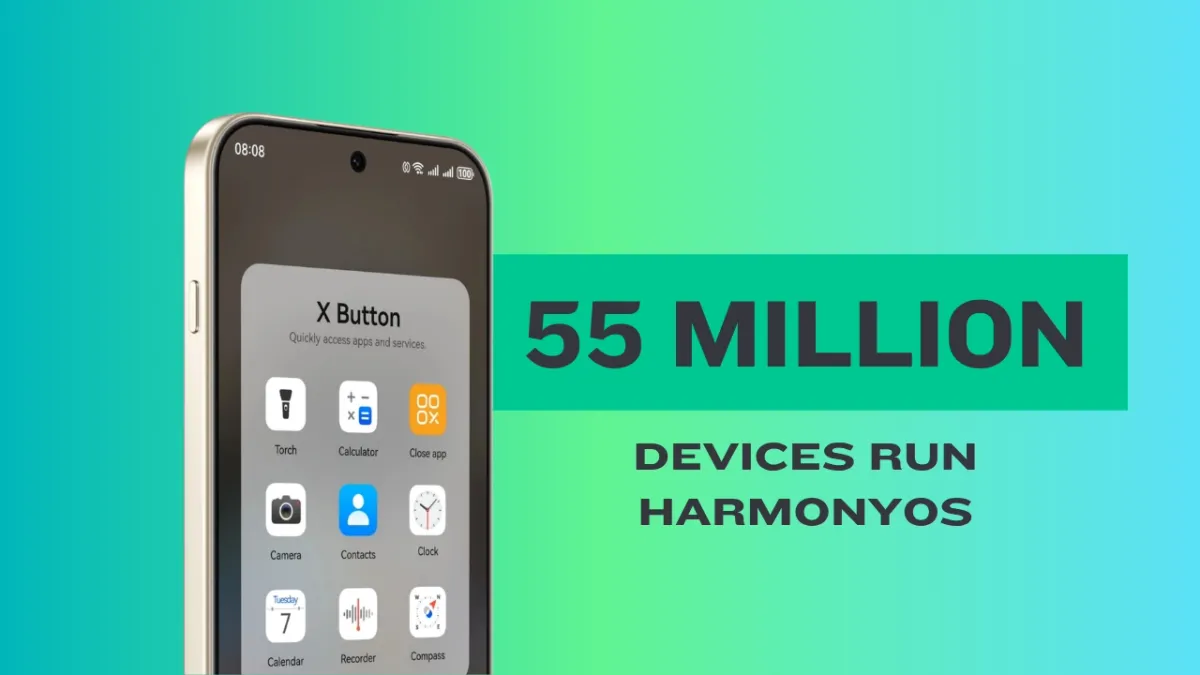
Huawei has emerged as a formidable contender in the personal technology arena, challenging Apple's dominance with its own ecosystem of smartphones, laptops, and tablets. This shift mirrors China's broader adoption of domestic software solutions, including operating systems and databases, driven by improved usability and performance. At the end of March 2026, Huawei's Executive Director, Yu Chengdong, reported that HarmonyOS powers over 55 million devices—a surge of 23 million devices in just under six months. This rapid expansion signals a significant threat to established market monopolies, particularly those held by global giants.
What Makes HarmonyOS Popular?
The success of HarmonyOS can be attributed to a series of enhancements in its latest release, HarmonyOS 6. These features have made the operating system a compelling choice for consumers and developers alike.
Key Features of HarmonyOS 6
- Fluid Animations: Lightning-fast transitions and glass-like UI elements create an exceptionally smooth user experience.
- Ark Engine Performance: The Ark engine, which handles multimedia and graphics APIs, delivers measurable performance improvements in gaming and video, while also enhancing battery life.
- AI-Powered Assistance: New scheduling and camera tools use artificial intelligence to adjust depth and focus with a single touch.
- StarShield Security Architecture: An AI-driven security framework that strengthens anti-scam measures and privacy protections.
- Wider Native App Adaptations: A growing library of third-party applications optimized for HarmonyOS.
- Affordable Device Range: Huawei's expanded lineup of feature-rich yet cost-effective mobile devices further drives adoption.
These elements collectively explain why HarmonyOS has attracted millions of users and why it continues to gain momentum in a competitive market.
Implications for the Open-Source Community
HarmonyOS is built on OpenHarmony, an open-source mobile operating system base similar to but independent from Android's AOSP. The mass adoption of HarmonyOS has spurred contributions to the OpenHarmony kernel and related projects like EulerOS. However, the operating system retains several proprietary layers, including the Ark compiler and custom UI components. Furthermore, the dominance of Chinese-language documentation limits global accessibility. Some open-source advocates have criticized Huawei for what they perceive as aggressive tactics, such as spamming open-source projects with requests to adopt HarmonyOS. While some view this as intrusive marketing, others see it as a legitimate effort to expand the ecosystem by onboarding more apps and services.
A New Challenger to the Duopoly
The emergence of a strong third player in the mobile operating system market—beyond Apple's iOS and Google's Android—is ultimately good news for consumers. Increased competition encourages innovation and keeps prices in check, especially in the affordable device segment. With 55 million devices already in use, HarmonyOS demonstrates that there is room for alternatives, particularly in markets where cost and local optimization are critical. As the ecosystem matures, it could reshape the global smartphone landscape, offering users more choice and fostering a healthier competitive environment.
Related Articles
- Navigating Launchpad's Revamped Series Page: A Developer's Tutorial
- Fitbit Air: Google's $100 Fitness Band Without a Screen – But a $10 Monthly AI Coach
- Apple Ships Safari Technology Preview 241 with Major Accessibility Overhauls and CSS Enhancements
- Google's Pixel Laptop and 'Pixel Glow' Notification System Leak via Android 17 Beta 4
- 5 Reasons the 2024 Kindle Scribe Beats the Wait for a Color Model
- Bridging the Gap Between Intent and Impact: A Practical Accessibility Framework
- Microsoft Recognized as Leader in IDC MarketScape for API Management 2026
- Kangaroo Island's Fire Legacy: A 7,000-Year Story Told by Lake Sediments