Casey Hudson’s Critique of AI in Game Development and What It Means for Star Wars: Fate of the Old Republic
Introduction: A Fresh Take on a Beloved Franchise
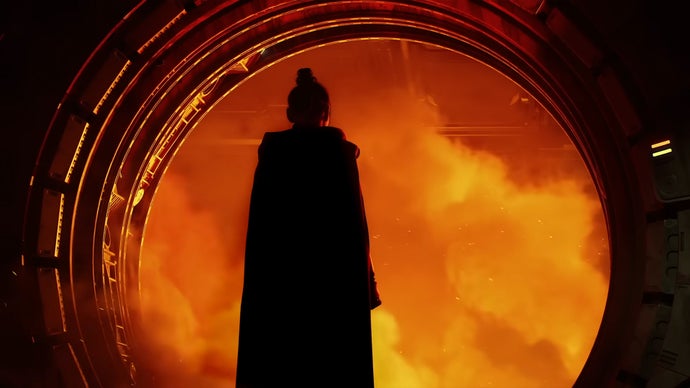
When BioWare’s Star Wars: Knights of the Old Republic (KOTOR) first launched in 2003, it set a new standard for narrative-driven role-playing games. Decades later, fans are eagerly awaiting what is being billed as its spiritual successor—Star Wars: Fate of the Old Republic. Announced in December of last year, the project remains shrouded in mystery, with only a cinematic trailer to set expectations. While details are scarce, one voice has already made a bold statement about the direction of the game: former BioWare general manager Casey Hudson has expressed strong reservations about the use of generative artificial intelligence in creative mediums like game development.
Casey Hudson’s Stance on AI: “Creatively Soulless”
In a recent interview, Hudson didn’t mince words when discussing the proliferation of AI tools in the gaming industry. “I just find AI to be creatively soulless,” he said, drawing a clear line between AI that assists in technical tasks and AI that attempts to replace human artistry. His criticism is aimed at what he calls “the bad kind” of AI—generative models that create assets, dialogue, or story arcs without genuine human emotion or intent. Hudson argues that such tools strip away the intangible spark that makes interactive storytelling resonate.
The Difference Between Tool and Creator
Hudson is not opposed to technology or automation per se; he acknowledges that machine learning can streamline repetitive tasks like bug testing or procedural generation of low-level environments. But when AI is tasked with crafting characters, writing dialogue, or designing plotlines, he believes it crosses a line. “You lose the soul,” he stated, emphasizing that great art comes from lived experience, emotional risk, and intentional creativity—qualities no algorithm can replicate.
Implications for Star Wars: Fate of the Old Republic
For a project that is still early in development, Hudson’s comments may serve as a guiding philosophy. According to the interview, the team behind Fate of the Old Republic appears committed to a human-first approach. When asked directly whether the game would incorporate generative AI, Hudson responded: “There won’t be any AI (the bad kind) found within it.” This pledge aligns with his broader vision of valuing authorial voice over computational output.
What This Means for Gameplay and Story
If Fate of the Old Republic follows through on this promise, players can expect a handcrafted experience reminiscent of the original KOTOR—where every character, quest, and moment of dialogue is written and designed by people. The game aims to recapture the moral complexity and branching narratives that made its predecessor a classic. By rejecting generative AI, the team signals a return to slower, more thoughtful development cycles that prioritize quality over speed.
The Broader Debate: AI in the Game Industry
Hudson’s comments come at a time when AI tools like ChatGPT, Midjourney, and other generative platforms are rapidly infiltrating game studios. Some developers see AI as a way to reduce costs and accelerate production, especially for large open-world games. Others, like Hudson, warn of a creative hollowing-out. This debate is not just philosophical—it has real consequences for employment, artistic integrity, and player immersion.
Arguments For and Against Generative AI
- Pro-AI: Enables small teams to create rich worlds that would otherwise be impossible; can generate thousands of lines of dialogue quickly; helps with world-building and environmental detail.
- Anti-AI (in creative roles): Produces formulaic stories and flat characters; removes the human touch that creates emotional resonance; risks homogenizing the art form.
Hudson’s position is clear: the soul of a game is worth preserving, even if it means taking longer and spending more. This philosophy may resonate with fans who feel that many modern blockbusters lack the heart of older titles.
Looking Ahead: What We Know About Fate of the Old Republic
Despite the lack of concrete details, the announcement trailer gave fans a glimpse of the galaxy they’ll explore. The game is being built as a spiritual successor to KOTOR, set in the same distant era of the Star Wars timeline but with a new story, new characters, and new conflicts. The development team includes several veteran BioWare writers and designers who worked on the original series, ensuring continuity of vision.
A Return to Handcrafted Storytelling
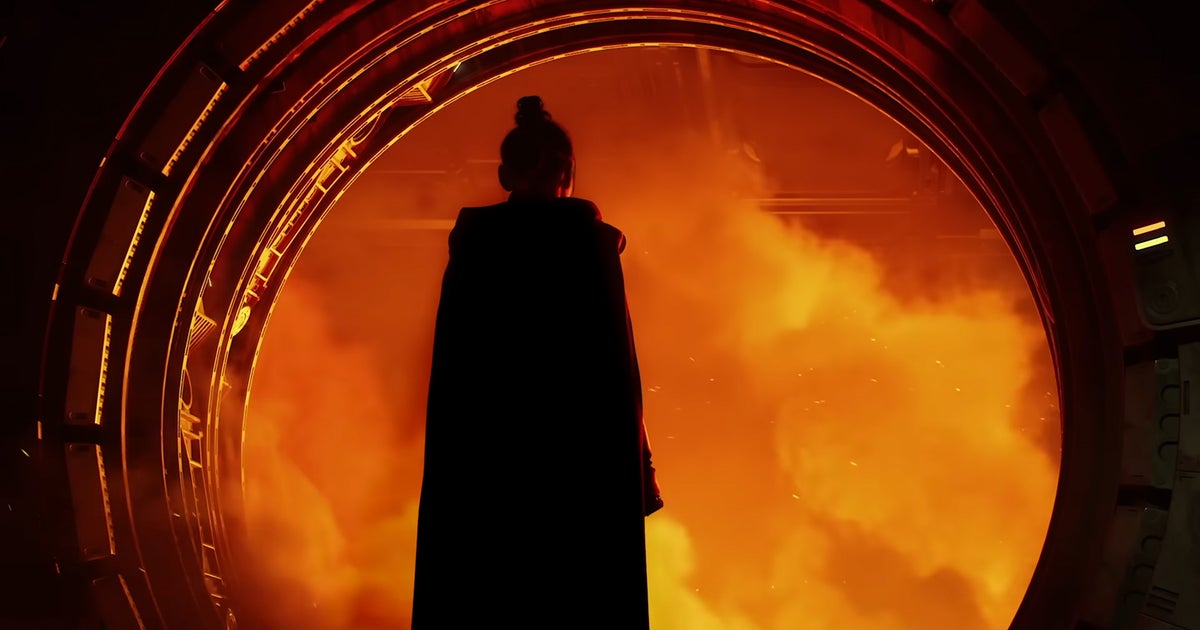
Hudson’s rejection of AI suggests that Fate of the Old Republic will emphasize deep replayability through meaningful choices, rather than procedurally generated content. Dialogue trees, companion relationships, and faction systems are expected to be manually written and balanced to create a living, breathing universe. The team is also focusing on visual fidelity, with the cinematic trailer showing detailed environments and character models—likely rendered with traditional art pipelines, not AI generation.
Conclusion: Art Over Automation
Casey Hudson’s critique of AI in game development is a rallying cry for those who believe that video games are first and foremost an art form. Star Wars: Fate of the Old Republic may be early in its journey, but its commitment to avoiding “creatively soulless” AI sets a promising precedent. For fans hoping to recapture the magic of KOTOR, this human-centered approach is exactly what the galaxy far, far away needs. As development continues, the industry will watch closely to see if this ethos can hold up against the pressures of modern game publishing.
Related Articles
- 10 Essential Steps to Dockerize a Go Application Successfully
- Optimizing Large Language Models: The Impact of TurboQuant on KV Cache Compression
- Dataiku Names Top Partners in 2025 Certification Challenge, Underscoring Human Expertise as Key to AI Success
- Bridging the Time Gap: Enhancing RAG Systems with Temporal Awareness
- AI Agents Are Everywhere, But Most Are Mismanaged: New Research Reveals Optimal Structure for Scaling Agent Systems
- Mastering KV Cache Compression with TurboQuant: A Step-by-Step Guide
- Breaking Into Cloud and DevOps: What Recruiters Really Want to See
- 10 Ways Knowledge Graphs Revolutionize AI Accuracy: From Stale Data to Graph RAG