How AI Agents Amplify Human Expertise in Supplier Management
Introduction: The Expertise Bottleneck
A senior procurement manager at a mid-sized manufacturer knows her suppliers inside out. She tracks delivery trends, flags open quality incidents, monitors contract renewals, and picks up subtle clues—like which plant manager tends to exaggerate defects and which one downplays them. She does this well for about 200 suppliers. But her company has 2,000. The remaining 1,800 receive only cursory attention, leaving the business exposed to risk and missed opportunities. This is the expertise bottleneck: the gap between what one expert can handle and what the business needs.
The Challenge of Scaling Expertise
In many mid-market companies, critical decisions—like supplier requalification—rely on the intuition and experience of a handful of people. These experts absorb countless signals, both quantitative (data from systems) and qualitative (office chatter, tone in emails, history with specific partners). But when the supplier base grows beyond a few hundred, human bandwidth runs out. The result? Inconsistent evaluations, overlooked warning signs, and a reactive rather than proactive approach to risk.
Traditional automation can handle repetitive tasks—like sending reminders or generating reports—but it can’t replicate the nuanced judgment of an experienced manager. Enter AI agents: systems that learn from expert behavior and apply that knowledge at scale.
How Trusted AI Agents Learn from Experts
Capturing Implicit Knowledge
The procurement manager’s expertise isn’t just in her spreadsheets; it’s in her head. She knows that a certain supplier’s late deliveries are usually excusable because of seasonal weather, while another’s delays indicate deeper issues. Trusted AI agents can be trained on historical decisions, patterns in communication, and even sentiment analysis from emails or meeting notes. Over time, the agent learns to weigh factors the way the expert would.
Continuous Feedback Loop
AI agents aren’t static. They improve with feedback. When the expert reviews an AI-generated recommendation and confirms or corrects it, the model adjusts. This creates a virtuous cycle: the agent handles the bulk of routine assessments, while the expert focuses on edge cases and strategic improvements.
Building Trust in AI Decisions
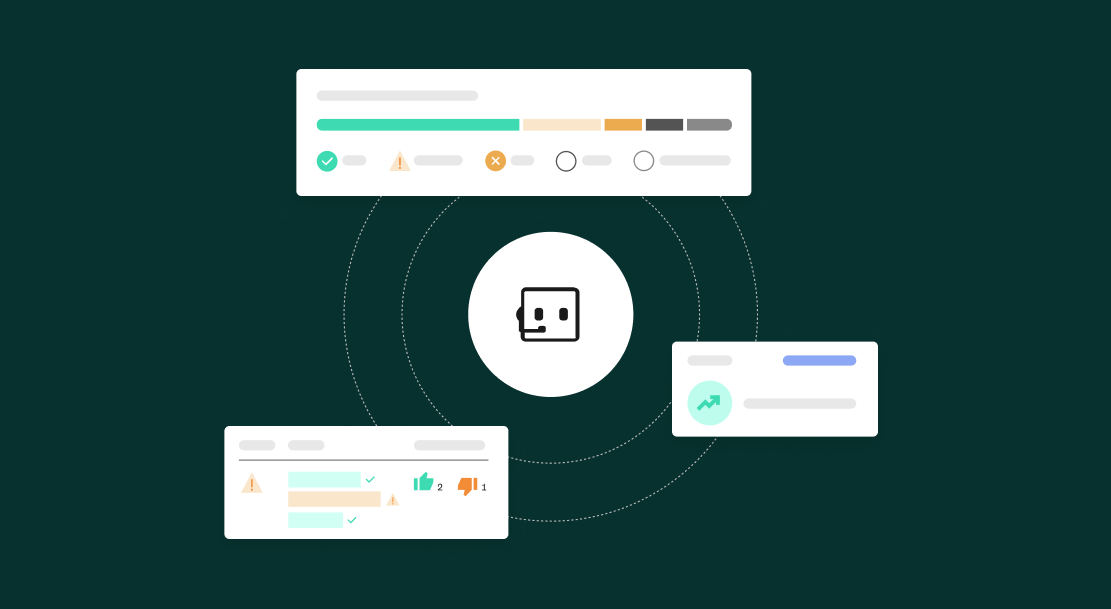
For AI agents to be adopted, stakeholders—from procurement managers to CFOs—must trust the outcomes. Trust comes from transparency. The agent should not only output a decision (e.g., “Requalify supplier X”) but also the reasoning: “Because late delivery rate increased 20% in the last quarter and open quality incidents rose by three.” Explainability is non-negotiable.
Another key is alignment with business rules. The AI should respect existing policies, such as mandatory requalification after three quality incidents or automatic approval for low-risk suppliers. By combining rule-based guardrails with learned intuition, the agent becomes both reliable and adaptable.
Implementing AI Agents in Procurement
Start Small, Scale Gradually
Rather than rolling out across all 2,000 suppliers immediately, begin with a pilot covering a subset—perhaps 200 that the expert already manages. Compare the agent’s recommendations with the expert’s own decisions. Once accuracy and trust are established, expand to the remaining suppliers.
Integrate with Existing Systems
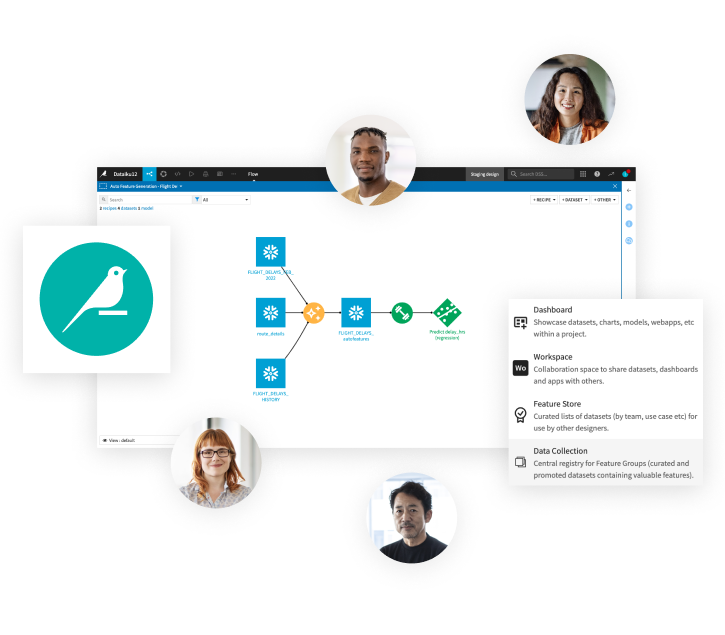
AI agents work best when they can access data from ERP, CRM, quality management, and supplier portals. API integrations allow the agent to pull real-time metrics and push recommendations back into the workflow. No need to overhaul the tech stack—just augment it.
Human-in-the-Loop
For high-stakes decisions, keep a human in the loop. The AI flags suppliers that need attention and suggests actions, but the procurement manager still approves or overrides. This balances efficiency with accountability.
The Payoff: From 200 to 2,000 Suppliers
Once the AI agent is deployed across the full supplier base, the procurement manager can focus on strategic relationship management and complex negotiations, while the agent handles routine evaluations. The company gains consistent, data-driven insights for all 2,000 suppliers—reducing risks, improving supplier performance, and freeing up expert time for higher-value work.
Conclusion: Expertise, Amplified
Trusted AI agents aren’t about replacing humans; they’re about scaling human capabilities. By learning from experts and applying that knowledge at scale, businesses can close the expertise bottleneck. The procurement manager who once managed 200 suppliers can now effectively oversee 2,000—without burning out. That’s the promise of AI agents in business decision-making.
Related Articles
- 8 Critical Facts Every Enterprise Must Know About the Shai-Hulud Worm Attack
- Rethinking the American Dream: From Charity to Guaranteed Income
- Volkswagen’s Strategic Investment in Rivian: A Software-First Partnership Beyond Electric Trucks
- Unlock AI-Ready Data: How Azure Accelerate for Databases Transforms Modernization
- A Practical Guide to Migrating to Post-Quantum Cryptography: Steps for Your Organization
- Evaluating Pfizer Stock: A Long-Term Investor's Guide to Overcoming Pandemic Headwinds
- 10 Ways safe-install Protects Your npm Projects from Supply Chain Attacks
- 10 Critical Insights on Enterprise AI Adoption and Data Readiness in 2026