UK Slashes Green Climate Fund Pledge, Loses Top Donor Status
The United Kingdom has sharply reduced its pledged contribution to the United Nations' flagship Green Climate Fund (GCF), dropping from the top donor position amid broader cuts to climate aid for developing nations, officials confirmed Tuesday.
The Labour government informed the GCF in May that it will only deliver £815 million ($1.1 billion) for the 2024–2027 funding period — roughly half of the £1.62 billion ($2.16 billion) commitment made by the previous Conservative administration under former Prime Minister Rishi Sunak.
That earlier pledge, described by Sunak's government as "the biggest single funding commitment the UK has made to help the world tackle climate change," had vaulted the UK to the top contributor spot after the United States withdrew $4 billion in pledged funds in 2025 under President Donald Trump.
Now, the UK follows the US as the second major donor to cancel substantial GCF funding, raising fears among aid experts that other developed countries may follow suit.
Background
The GCF, established in 2014, is the largest dedicated UN climate fund, channeling grant-based finance to developing countries for mitigation and adaptation projects. It manages over $20 billion across 354 projects worldwide.
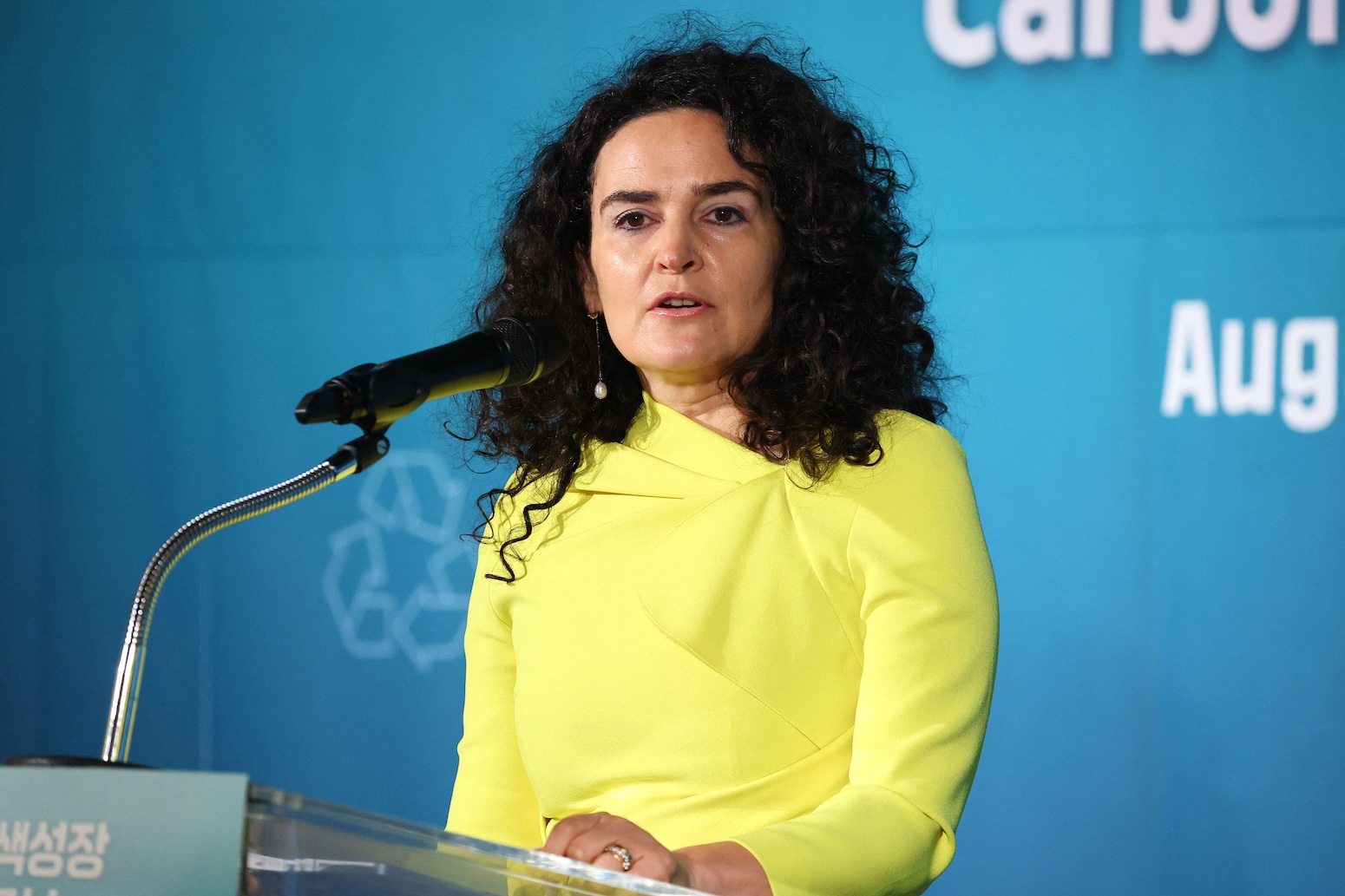
Developed countries are legally obligated under the Paris Agreement to provide climate finance, and the GCF has been a primary vehicle for meeting those commitments. The UK had been a leading contributor since the fund's inception.
The now-reduced pledge means the UK will provide about 45% less funding than it did during the previous 2019 funding round — the steepest cut by any major donor aside from the US, according to data from the Natural Resources Defense Council.
What This Means
The reduction deals a significant blow to the GCF's ability to fund projects in vulnerable countries already grappling with climate impacts. GCF Executive Director Mafalda Duarte warned in an email to the fund's board, reported by the Financial Times, that the UK's move is "expected to have a material impact on the delivery" of projects.
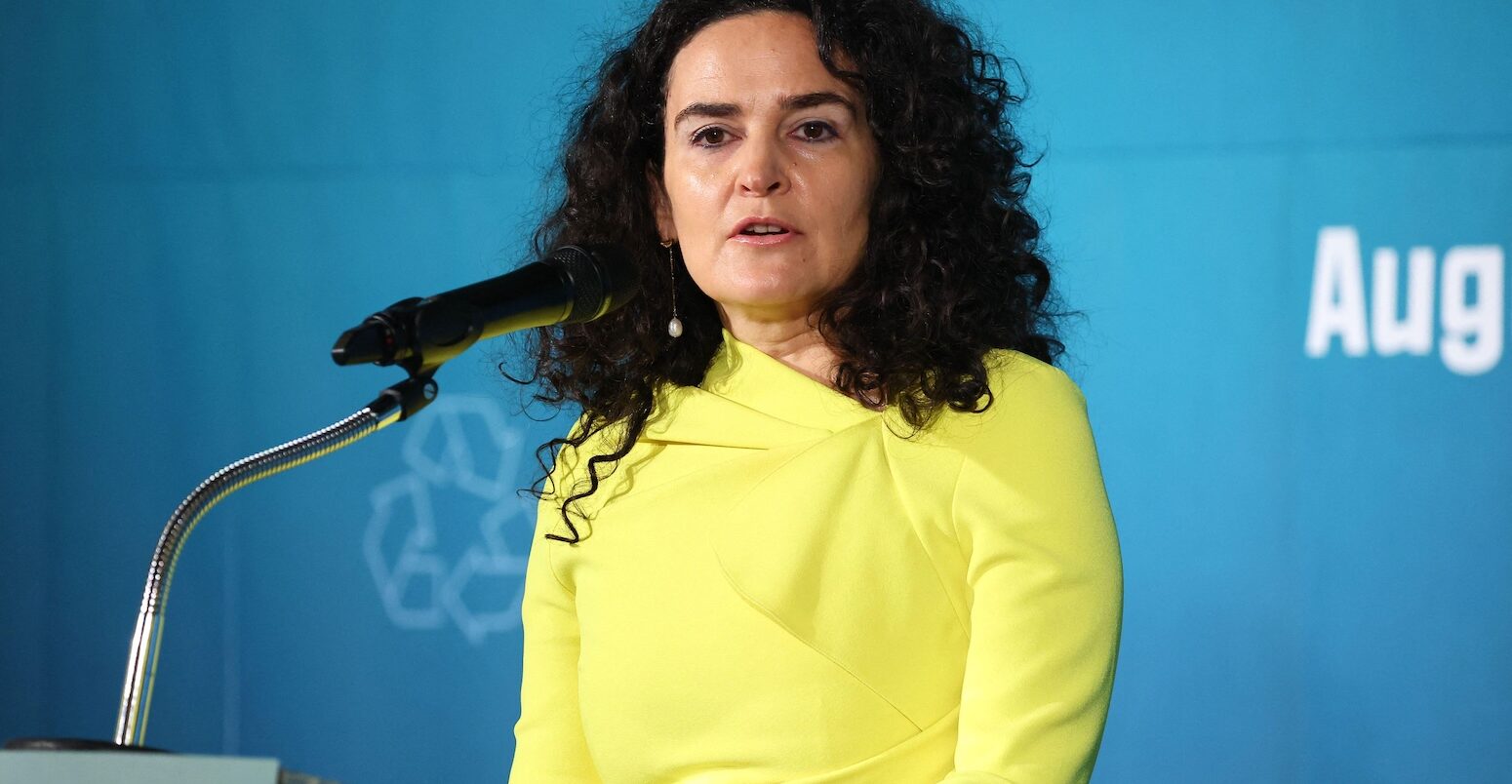
Duarte also noted the cut comes as the UK redirects its aid budget toward "addressing growing security threats," a framing echoed by the government's March announcement to spend roughly £6 billion of its aid budget on climate projects over three years — effectively halving annual climate finance.
Climate campaigners say the UK's retreat undermines global trust and risks creating a domino effect among other wealthy nations. "When a key donor like the UK walks back its commitments, it sends a devastating signal to developing countries that climate finance promises are fragile," said Mohamed Adow, director of climate justice NGO Power Shift Africa.
Other major GCF donors — Germany, France, and Japan — have now surpassed the UK in total past and pledged contributions. The UK's ranking has slipped from first to fourth place among top contributors.
Analysts warn that without urgent restoration of funding, the GCF may struggle to meet its replenishment targets for the 2024–2027 cycle, jeopardizing hundreds of adaptation and clean energy projects across Africa, Asia, and the Pacific.
Related Articles
- Rugged Android Tablet with Built-in 1080p Projector: Tank Pad Ultra Review and Specs
- How to Electrify Your City's Bus Fleet: Lessons from Sweden's 103 New Electric Buses
- Why Sardinia Is Resisting Renewable Energy: History, Distrust, and a Grassroots Revolution
- Mastering the Green Tea Garbage Collector: A Practical Guide for Go Developers
- Flutter and Dart at Google Cloud Next 2026: Key Highlights in Q&A
- How to Follow and Analyze Major EV News: A Step-by-Step Guide Inspired by the Electrek Podcast Episode on Tesla Semi, Xpeng, and Rivian
- Green Deals Q&A: Ride1Up E-Bike, Anker SOLIX, Jackery, and More Mid-Week Savings
- How the UK Slashed Gas Imports by £1.7bn Using Wind and Solar: A Step-by-Step Guide