How to Implement a Semi-Autonomous Electric Material Handler for Recycling Plant Efficiency
Introduction
Recycling plants across Europe are under constant pressure to boost throughput while reducing operating costs and environmental impact. The traditional diesel-powered material handlers, though reliable, contribute to emissions and noise. Sennebogen, a German equipment manufacturer, recently demonstrated a game-changing solution: a semi-autonomous electric material handler that pairs an electric wheeled excavator with a mobile battery and a mobile shredder. This integrated system promises to increase efficiency, lower carbon footprint, and streamline material flow. This how-to guide walks you through the steps to replicate such a setup in your own facility, based on Sennebogen's proven approach.
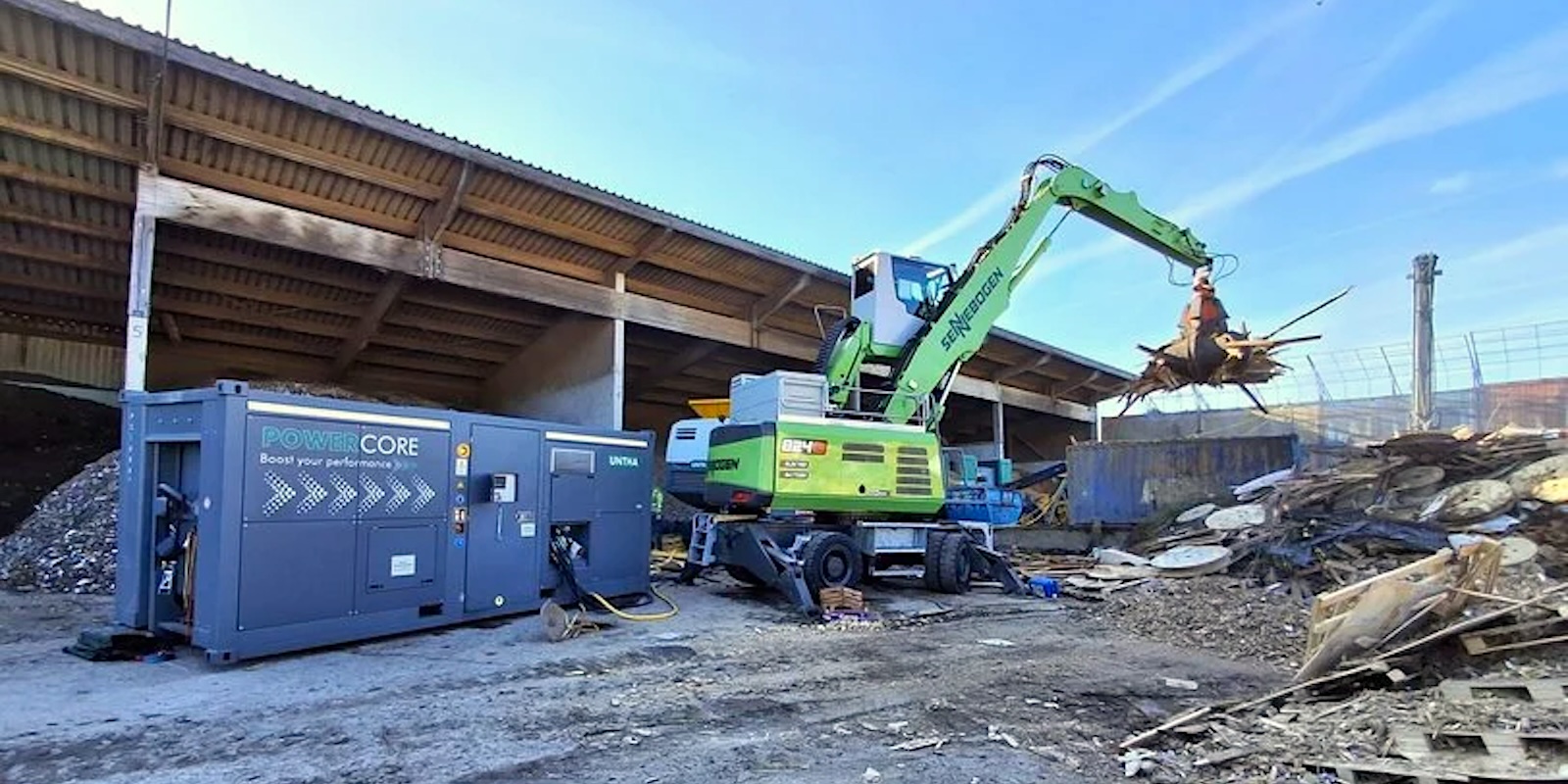
What You Need
- Electric Wheeled Excavator – A model such as Sennebogen’s 835 E or similar, capable of lifting and moving scrap metal, wood, or other recyclables.
- Mobile Battery Pack – A high-capacity, transportable lithium-ion battery system (e.g., 200–400 kWh) to power the excavator away from grid connections.
- Mobile Shredder – A shredding unit that can be towed or relocated, designed to process materials like wood pallets, scrap metal, or electronic waste.
- Semi-Autonomous Control System – Software and sensors (lidar, cameras, GPS) to enable automated cycles, obstacle detection, and remote monitoring.
- Charging Infrastructure – Fast-charging station or connection to plant grid for overnight or shift-based battery replenishment.
- Safety Gear – Hard hats, high-vis vests, gloves, and isolation equipment for workers near automated machinery.
- Trained Personnel – Operators familiar with electric machinery and autonomous modes, plus maintenance staff for batteries and sensors.
Step-by-Step Implementation Guide
Step 1: Assess Your Current Material Flow
Begin by mapping your plant’s material handling process. Identify pinch points where bottlenecks occur—typically between segregation, shredding, and sorting. Measure current throughput in tons per hour (TPH) and note energy consumption. This baseline will help you quantify improvements after installation. Also, evaluate space availability for mobile equipment paths and charging stations.
Step 2: Select the Right Electric Wheeled Excavator
Choose an excavator that matches your material type and volume. For European recycling plants, Sennebogen’s 835 E (35-ton class) or 875 E (75-ton class) are common. Look for features like smooth hydraulic controls, low ground pressure for soft surfaces, and compatibility with attachments (grapples, magnets). Ensure the model supports retrofit kits for semi-autonomous operation.
Step 3: Integrate a Mobile Battery System
Since many recycling yards lack overhead trolley lines or nearby grid outlets, a mobile battery allows for flexible, untethered movement. Choose a battery pack that provides at least 4–6 hours of continuous operation. The battery should be weatherproof and have a built-in battery management system (BMS) for safety. Position it on a dedicated trailer or flatbed that can be moved between work zones as needed.
Step 4: Pair with a Mobile Shredder
The shredder must be mobile to follow the excavator. Look for electric-driven shredders (e.g., Sennebogen 985 E) that can run directly from the same battery or be connected to the grid. Synchronize speeds: the shredder’s hopper should be sized to handle the excavator’s bucket payload without overflow. For semi-autonomous operation, the shredder can be equipped with load-sensing sensors that adjust feed rate based on motor torque.

Step 5: Implement Semi-Autonomous Control Software
Install a control system that allows the excavator to perform repetitive tasks—like scooping material from a pile and dumping into the shredder hopper—without constant operator input. The system uses GPS waypoints, laser scanners to detect pile heights, and cameras for safety. Define two modes: fully autonomous (machine moves and works alone) and semi-autonomous (operator starts cycles and monitors remotely). Integrate emergency stop buttons and geofencing to keep workers safe.
Step 6: Train Your Team and Test the System
Operators need to understand battery management, charging cycles, and override controls. Run a two-week pilot program on a single material line. Measure throughput, energy consumption, and number of safety interventions. Adjust parameters like bucket dumping angle or cycle time based on real data. Document lessons learned for broader rollout.
Step 7: Monitor, Optimize, and Scale
After go-live, track key performance indicators (KPIs): tons processed per kWh, downtime for charging, and reduction in manual handling. Use telematics from the excavator and shredder to fine-tune automation routines. If the pilot succeeds, expand the system to additional material lines or night shifts (when grid power is cheaper). Consider adding second battery packs for continuous swap-and-go operation.
Tips for Success
- Start Small: Implement on one material type (e.g., wood waste) before scaling to mixed recyclables.
- Energy Management: Schedule charging during off-peak hours to reduce electricity costs.
- Maintenance Schedule: Check battery health monthly and clean sensor lenses daily to avoid false readings.
- Safety First: Clearly mark autonomous zones and ensure all workers wear RFID tags that trigger machine stop if entering restricted areas.
- Future-Proof: Choose equipment that supports over-the-air software updates to add new automation features.
- Consult Experts: Work with Sennebogen or similar OEMs for initial system design to avoid integration pitfalls.
By following these steps, your recycling plant can replicate Sennebogen’s semi-autonomous electric material handler setup, cutting emissions by up to 70% while increasing throughput by 20–30%. The move to electric, automated handling is not just a trend—it’s a proven path toward leaner, greener operations.
Related Articles
- Corporate Scope 3 Emission Reductions Accelerate Despite Federal Climate Silence
- Boosting V8 Performance: Rethinking Heap Numbers for Mutable Variables
- How to Stop Android Apps From Secretly Draining Your Battery
- Rivian and Caruso Team Up to Supercharge LA Shopping Centers
- How to Turn Winter's Energy Challenges into Opportunities in Australia
- 10 Essential Insights from Our Home Battery Backup Survey: What You Really Need
- How to Secure the New Volkswagen ID. Polo: A Step-by-Step Guide to Ordering and Saving
- 10 Essential Facts About Energizer's Child-Safe Batteries for AirTags