From QDOS to Open Source: The Story Behind Microsoft's Earliest DOS Code Release
Microsoft's journey to becoming a tech giant began with a scrappy operating system that changed personal computing forever. Now, on the 45th anniversary of its creation, the original source code has been made publicly available. This release offers a rare glimpse into the foundations of MS-DOS and the early days of software development. Below, we explore the key questions surrounding this historic open-sourcing event.
What exactly is the source code that Microsoft released?
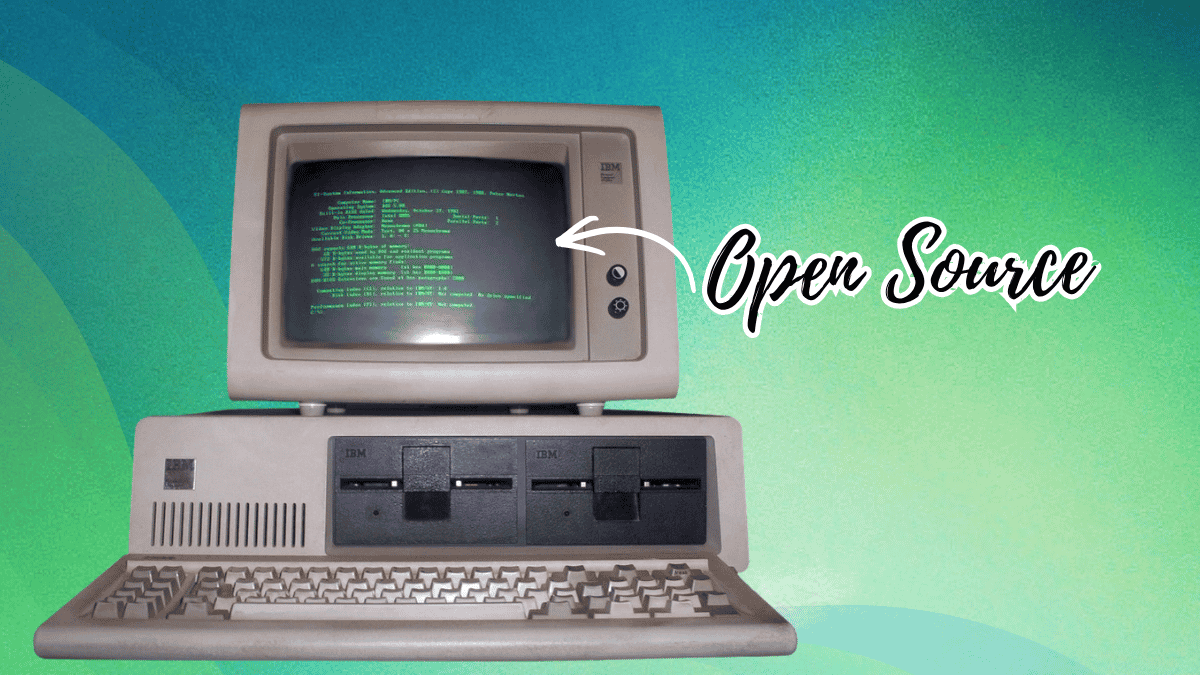
Microsoft published the earliest known source code for 86-DOS 1.00, the operating system that later evolved into PC-DOS and MS-DOS. This code was written by Tim Paterson in 1980 at Seattle Computer Products. The release includes the kernel, several development snapshots of PC-DOS 1.00, utilities like CHKDSK, and the assembler Paterson used to write the OS. All of this is now available on GitHub under the permissive MIT license, allowing anyone to study, modify, or even compile it.
How did DOS begin, and why was it called QDOS?
In 1980, Intel's 16-bit 8086 processor hit the market, but the dominant operating system, CP/M, lacked support for it. Tim Paterson stepped in to fill the gap, writing what he jokingly called QDOS—short for Quick and Dirty Operating System. He modeled its API after CP/M so that existing software could run on the new chip with minimal changes. The name reflected both the rapid development and the pragmatic approach to compatibility.
How did Microsoft acquire DOS, and what was the deal?
Microsoft purchased the rights to 86-DOS from Seattle Computer Products for under $100,000. They then adapted it for IBM, shipping it as PC DOS 1.0 in August 1981. Crucially, Microsoft retained the rights to sell the same operating system to other PC manufacturers under the name MS-DOS. This agreement allowed Microsoft to license DOS to countless clone makers, setting the stage for its domination of the personal computer market for the next two decades.
What is the story behind preserving and releasing this code?
Tim Paterson didn't hand over a neatly organized digital archive. Instead, he kept physical assembler printouts on continuous-feed paper from 1981. Decades later, historians Yufeng Gao and Rich Cini took on the painstaking task of locating, scanning, and transcribing those pages into compilable code. Their work made this release possible. Microsoft announced the open-sourcing on April 28, 2025, the exact 45th anniversary of 86-DOS 1.00.

Is this part of a larger trend of Microsoft open-sourcing old code?
Yes, Microsoft has increasingly opened up its retro software. 6502 BASIC went open source in September 2025, MS-DOS 4.0 in 2024, and versions 1.25 and 2.0 back in 2018. This latest release follows a clear pattern: celebrating historical milestones by sharing foundational code under the MIT license. It reflects a shift toward embracing the retro computing community and preserving tech history.
Who can benefit from this source code, and how can they use it?
This release is a goldmine for retro computing enthusiasts and low-level systems programmers. The code is compilable, meaning you can build it yourself. You will need a copy of Seattle Computer Products' ASM assembler, which can be obtained from any 86-DOS or early MS-DOS distribution. The GitHub repository's README provides step-by-step instructions. Whether you're studying operating system design or just want to tinker with a piece of computing history, this source code offers a hands-on experience.
Related Articles
- Python 3.15 Enters Alpha 3 with Game-Changing Profiler and UTF-8 Default
- Python Insider Blog Relaunches on New Platform: Open-Source, Git-Powered, and Ready for Contributors
- 8 Steps to Build Type-Safe LLM Agents with Pydantic AI
- Mastering Microservices from the Frontend: A Practical Q&A Guide
- Spotify Unveils Conversational AI Tool for Ad Campaign Management via Claude Integration
- Decoding the Soul of Software: A Guide to Understanding Code's Dual Purpose
- Per Stirling's $2.9M FIXD Buy: 7 Key Questions Answered
- How to Become a Member of the Python Security Response Team: A Step-by-Step Guide