Catch the Eta Aquarid Meteor Shower in 2026: Peak Viewing Guide
Introduction
The Eta Aquarid meteor shower, a celestial spectacle born from the debris of Halley's Comet, graces our skies every April and May. In 2026, the shower promises a stunning display, but timing and conditions will determine whether you witness a meteor storm or a faint drizzle. This guide covers the peak dates, best viewing practices, and what to expect for this year's event.
When Does the Eta Aquarid Meteor Shower Peak in 2026?
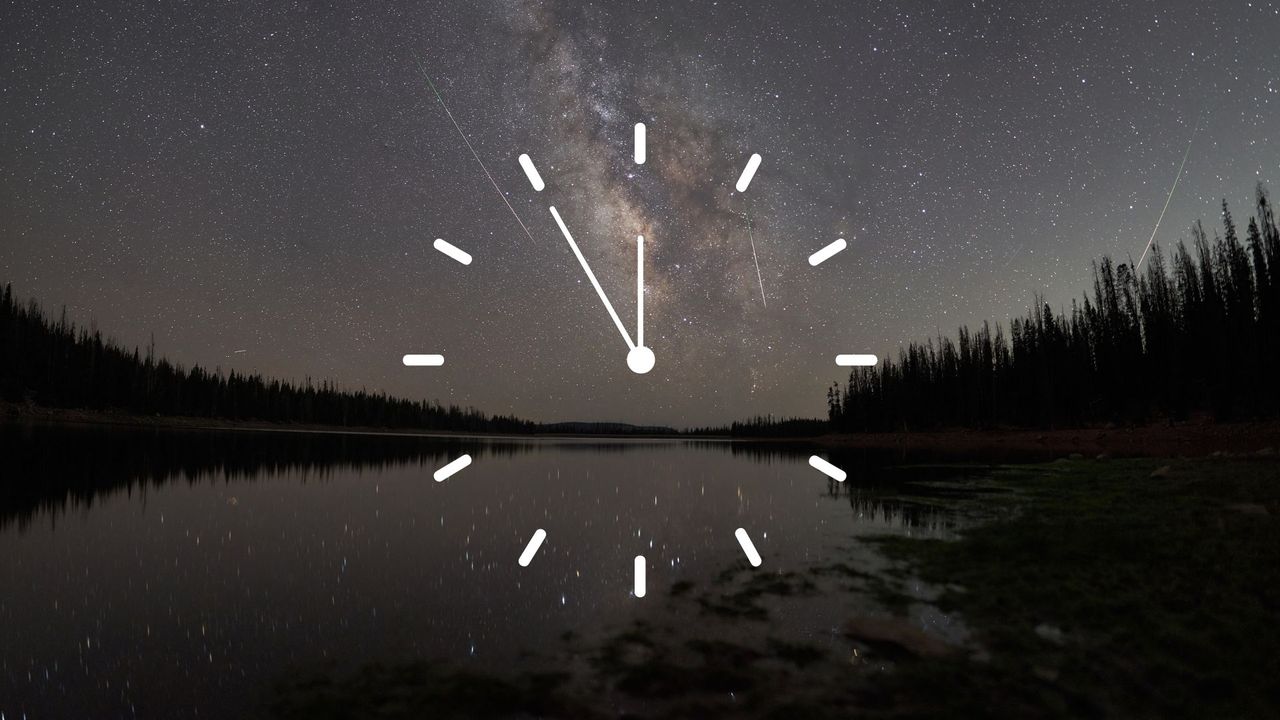
The Eta Aquarids are active from around April 19 to May 28, with the peak typically occurring on the night of May 5-6. In 2026, expect the maximum activity to fall on the night of May 5th into the early morning of May 6th. During this window, the shower can produce up to 30-60 meteors per hour under ideal conditions, but the actual rate depends on your location and local light pollution.
Why the Moon Phase Matters in 2026
One crucial factor in 2026 is the phase of the Moon. On May 5, the Moon will be in its waning gibbous phase, around 85% illuminated. This bright moonlight will wash out fainter meteors, reducing the visible count, especially in pre-dawn hours. The best chance to see the shower is to observe during the brief window between moonset and dawn's first light. For most observers, moonset occurs about 2-3 hours before sunrise, providing a dark sky segment of 30-60 minutes. Check your local moonset time for May 5-6 to plan your viewing.
Where and How to See the Eta Aquarids
Best Viewing Location
The Eta Aquarids favor the Southern Hemisphere, where the radiant (the point in the sky from which meteors appear to originate) rises higher. Observers in tropical latitudes and the Southern Hemisphere can see up to 60 meteors per hour. Those in the Northern Hemisphere, especially at mid-northern latitudes (like the United States, Europe, or Japan), may see only 10-20 per hour because the radiant is lower on the horizon. However, the shower is still worth a look if you have a clear, dark sky.
Viewing Tips for Success
- Find a dark sky: Escape city lights. A rural location with a clear view of the eastern horizon is ideal.
- Check the weather: Clouds are your enemy. Use a weather app to find a clear night.
- Arrive early: Give your eyes 20-30 minutes to adapt to the dark. Avoid looking at your phone.
- Use a reclining chair: Lie back and look up; the meteors can appear anywhere in the sky, not just near the radiant.
- Best time to watch: The hours after midnight, especially between 2 a.m. and dawn, are prime because Earth is rotating into the meteor stream. In 2026, the window from moonset to dawn is critical.
What Makes the Eta Aquarids Special?
Unlike the Perseids or Geminids, the Eta Aquarids are known for their speed (about 66 kilometers per second) and often leave persistent trains—glowing trails that linger for seconds. These meteors are fragments of Halley's Comet, which last passed through the inner solar system in 1986. The name comes from the star Eta Aquarii in the constellation Aquarius, near the radiant point.
Comparing with Other Showers
While the Eta Aquarids are not the year's most prolific shower, they offer a unique chance to connect with Halley's Comet. In 2026, the competition from moonlight means that only the brightest meteors will be visible. For comparison, the Perseids in August typically have fewer moonlight issues and produce more fireballs, but the Eta Aquarids still reward patient observers with dazzling streaks.
FAQs About the 2026 Eta Aquarids
Can I see them from the city?
Yes, but only the brightest meteors. A dark location is strongly recommended. Light pollution and moonlight will reduce the count significantly.
Do I need binoculars or a telescope?
No. Meteors are best seen with the naked eye, as they streak across a wide area of sky. Binoculars would limit your field of view.
Will the shower be visible on May 6 or May 7?
The peak is sharp, so the night of May 5-6 is best. Some meteors may be seen a night or two before and after, but rates drop quickly. The waning moon will also be brighter on May 6, making viewing even harder.
Internal Anchor Links
- Jump to peak time details
- Learn about the moon phase impact
- Find the best viewing location
- Get viewing tips
Peak Time in Detail
As noted, the peak occurs around 2:00-4:00 AM local time on May 6, 2026. The radiant constellation Aquarius will be well above the horizon in the southeast (for Northern Hemisphere observers) or overhead (for Southern Hemisphere). Set your alarm and plan a short session during the dark window after moonset.
Moon Phase and Optimal Viewing
The waning gibbous moon (85% illuminated) will rise around 10-11 PM on May 5 and set around 3-4 AM on May 6. That means the best viewing period is from moonset until dawn—about 1-2 hours of dark sky. Use a moonrise/moonset calculator for your specific location.
Best Locations Worldwide
Countries near the equator (Brazil, Kenya, Indonesia) or in the Southern Hemisphere (Australia, South Africa, Argentina) will have the best view. In the Northern Hemisphere, the southernmost states in the US (Texas, Florida) or southern Europe (Spain, Greece) fare better than northern regions. Avoid mountains where clouds often form; deserts and coastal areas can be excellent.
Final Viewing Tips
Bring warm clothing, a blanket, and snacks. Patience is key—meteors can come in bursts followed by lulls. Look about 45 degrees away from the radiant to see long-streaking meteors. And most importantly, enjoy the show! The Eta Aquarids are a reminder of the cycles of our solar system.
Related Articles
- Nereid: The Lone Survivor of Neptune's Turbulent Past?
- How to Diagnose Multi-Agent System Failures: A Step-by-Step Guide to Automated Failure Attribution
- 6 Ways User Research Mirrors the Art of Storytelling
- 10 Milestones from NASA's Mars Odyssey Mission: Celebrating 25 Years of Exploration
- SpaceX and OpenAI IPOs: What to Expect from the Upcoming Mega Listings
- Greenland Ice Melt Accelerates Sixfold: Scientists Warn of Unprecedented Extremes
- The Atacama Rock: 7 Things You Didn't Know About Curiosity's Sticky Situation
- How to Deploy an Ultrathin, Stretchy Radiation Shield for Future Spacecraft